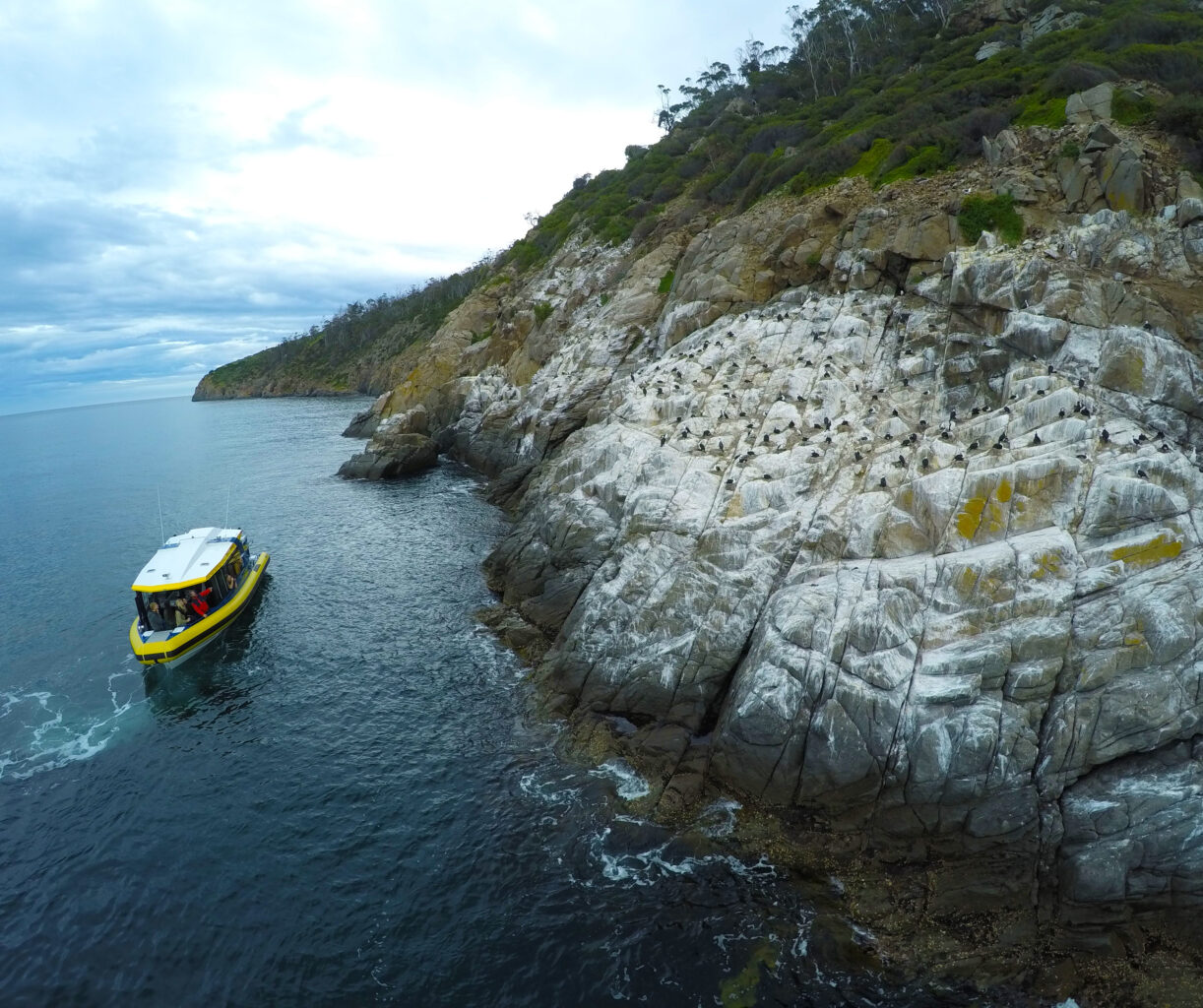
A deep love of our Tasmanian waters has inspired Robert Pennicott’s Foundation to support scientists in better understanding the reefs of the D’Entrecasteaux Channel, to protect this precious marine environment for future generations.
The Pennicott Foundation will provide funding of $899,000 over five years to assess the current state of reef health in the D’Entrecasteaux Channel.
Intensive monitoring of this system will help scientists from the University of Tasmania’s Institute for Marine and Antarctic Studies (IMAS) assess the natural and human caused factors driving any observable patterns in reef health.
“Good science requires a systematic set of observations taken in specific regions or sites, across seasons and over time – and analysis of those findings in the context of what is happening in the wider system,” said IMAS marine ecologist and project leader, Dr Camille White.
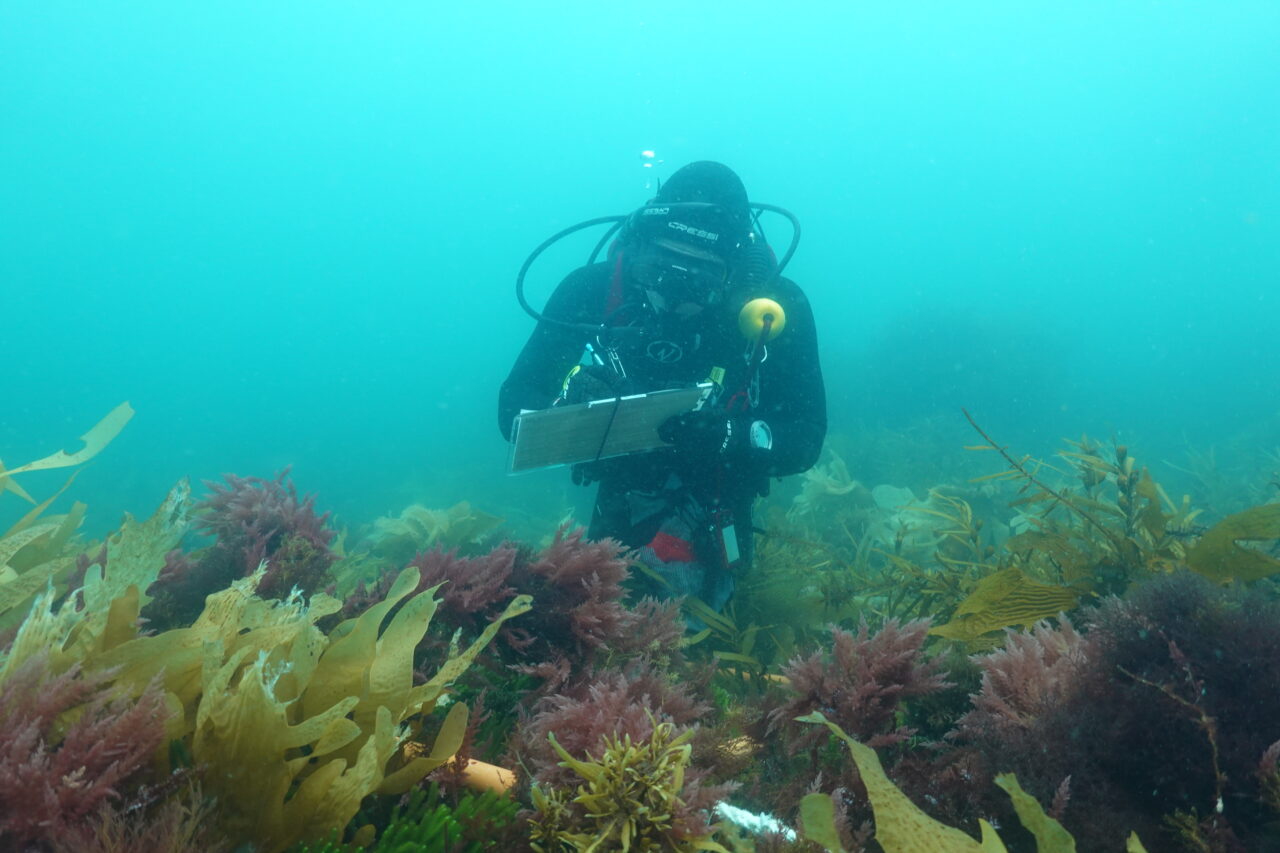
“The generous and important support from the Pennicott Foundation makes it possible for us to monitor and assess the whole of the Channel – and make the information we gather available to everyone."
“It will allow us to build on our work to develop and apply methods that can effectively assess the environmental impacts of climate change and human activities on marine habitats and ecosystems – in the Channel and beyond.”
Robert Pennicott grew up in Tinderbox just south of Hobart and has spent his lifetime on and in the water, sharing his passion for the stunning landscape and oceans of Tasmania with others.
From Bruny Island Cruises launched in 1999 through to Pennicott Wilderness Journeys today, Robert and his family have had a strong focus on giving back to the communities they work in.
“Sustainability is at the heart of our business, with the experiences we offer designed to raise awareness of environmental issues and provide financial support for conservation,” Robert said.
“This would ultimately lead to us establishing the Pennicott Foundation – and I’m very proud of what it has achieved to date.
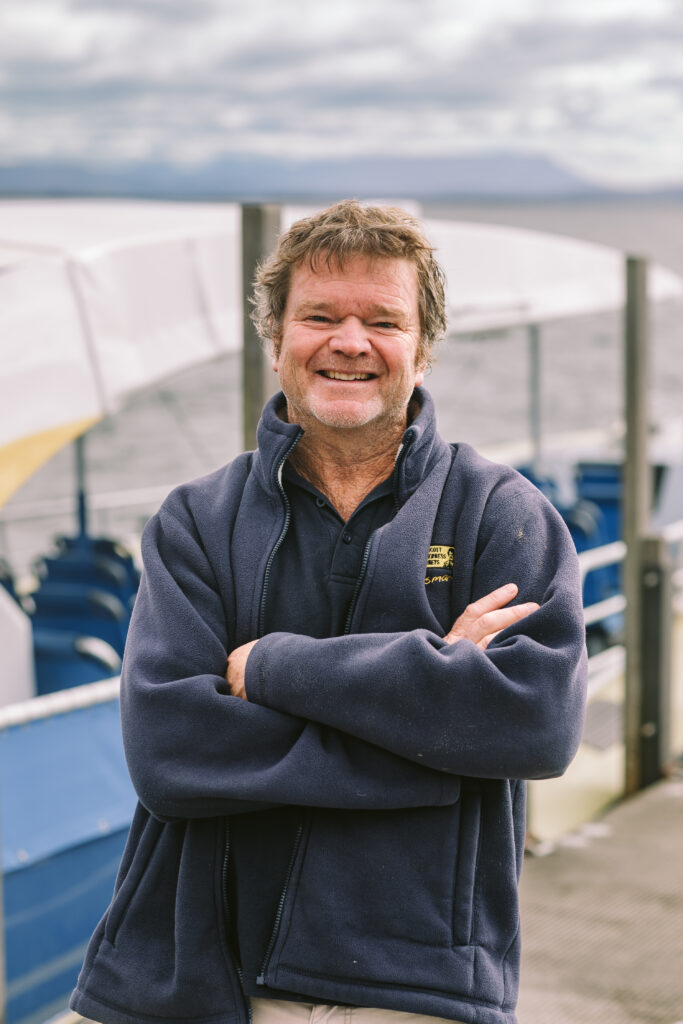
Every cent donated to the Foundation goes towards outcomes that make a real difference – and we believe this important IMAS program will deliver great benefits to the community and the environment."
"I’ve been swimming, diving and recreationally fishing in the waters of the D’Entrecasteaux Channel all my life – and I’ve seen significant changes to the marine environment during this time. Understanding the drivers behind these changes will help us protect this special waterway for future generations.”
Together with the Pennicott Foundation, IMAS is working to protect one of Tasmania’s most valued marine habitats.
Transparency and scientific rigour are the pillars of the program, with all findings set to be shared through public reports, videos and interactive platforms such as Tasmania’s Marine Atlas.
“This will ensure the community and stakeholders know what we’re doing and what we’re finding in the Channel,” Dr White said.
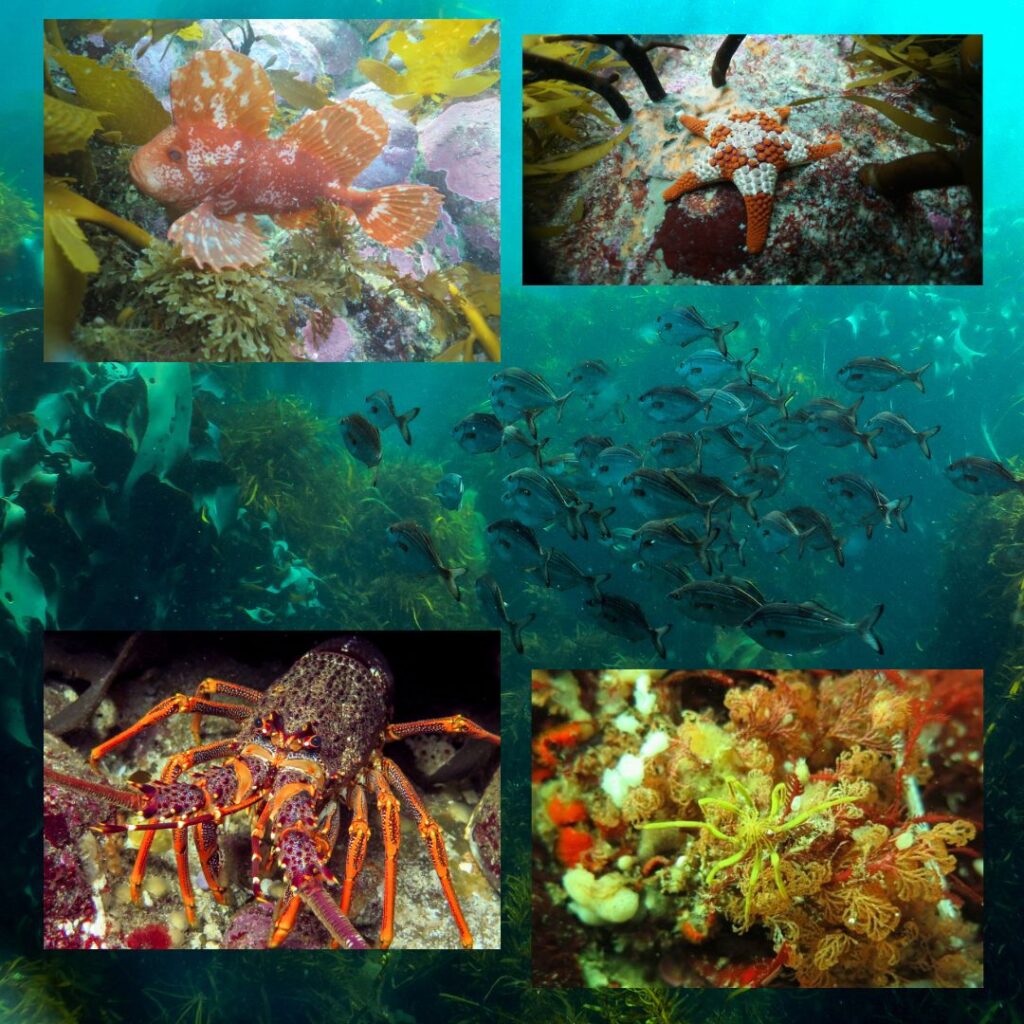
“By combining long-term datasets with new high-resolution monitoring techniques, we will build a clearer picture of reef health and the pressures shaping these ecosystems – an approach that will ensure decisions about the Channel’s future are grounded in evidence and shared knowledge.”
Images from top:
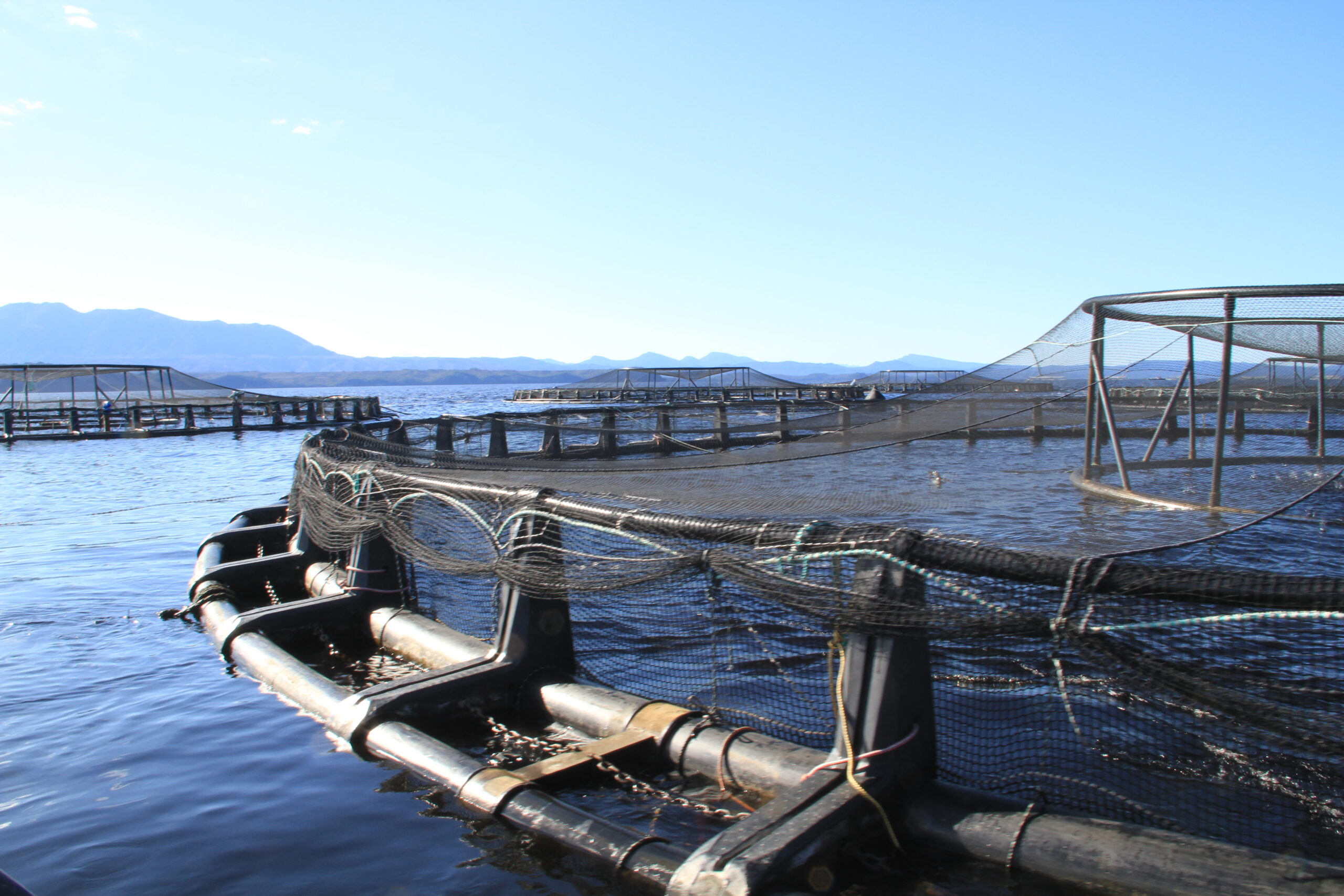
A new literature review series brings together current scientific research on how marine farming interacts with marine environments – and it will help to inform the sustainable management of the aquaculture industry in Tasmania.
Developed by the University of Tasmania’s Institute for Marine and Antarctic Studies (IMAS) and launched this week, the Aquaculture Environment Review Series collates the published scientific literature on the environmental effects of aquaculture in Tasmania and globally.
“The aim of the series is to support sustainable planning and regulation of marine farming in Tasmania, while providing a reference source for anyone interested in how aquaculture interacts with the environment,” said Dr Camille White, a researcher with the Aquaculture Environment Interactions program at IMAS.
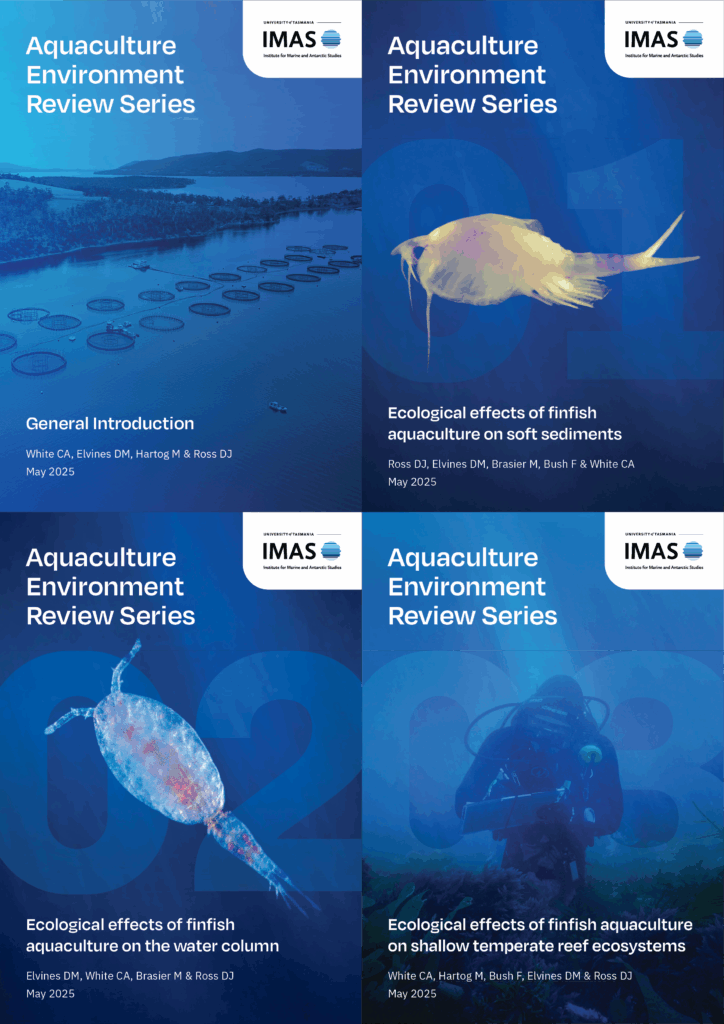
“The series offers an accessible, evidence-based resource that highlights what we know, where gaps remain, and how management can continue to evolve to support long-term environmental and economic sustainability.”
The first release of the series is presented in four parts:
The Aquaculture Environment Review Series will be regularly updated as new scientific information emerges. It will ultimately cover all forms of existing and proposed marine-based aquaculture in Tasmania.
“Aquaculture plays an important role in Tasmania’s economy, but its continued success relies on sound science and careful management,” said Dr White.
“Understanding how farming practices interact with surrounding ecosystems is vital to ensuring the industry remains sustainable into the future.”
The Aquaculture Environment Review Series was commissioned by the Department of Natural Resources and Environment Tasmania (NRE Tasmania) and funded through the Sustainable Marine Resource Collaboration Agreement (SMRCA).
Visit our Aquaculture Environment Review Series page to learn more, or our Publications page to read each part of the series in full.
Images from top:
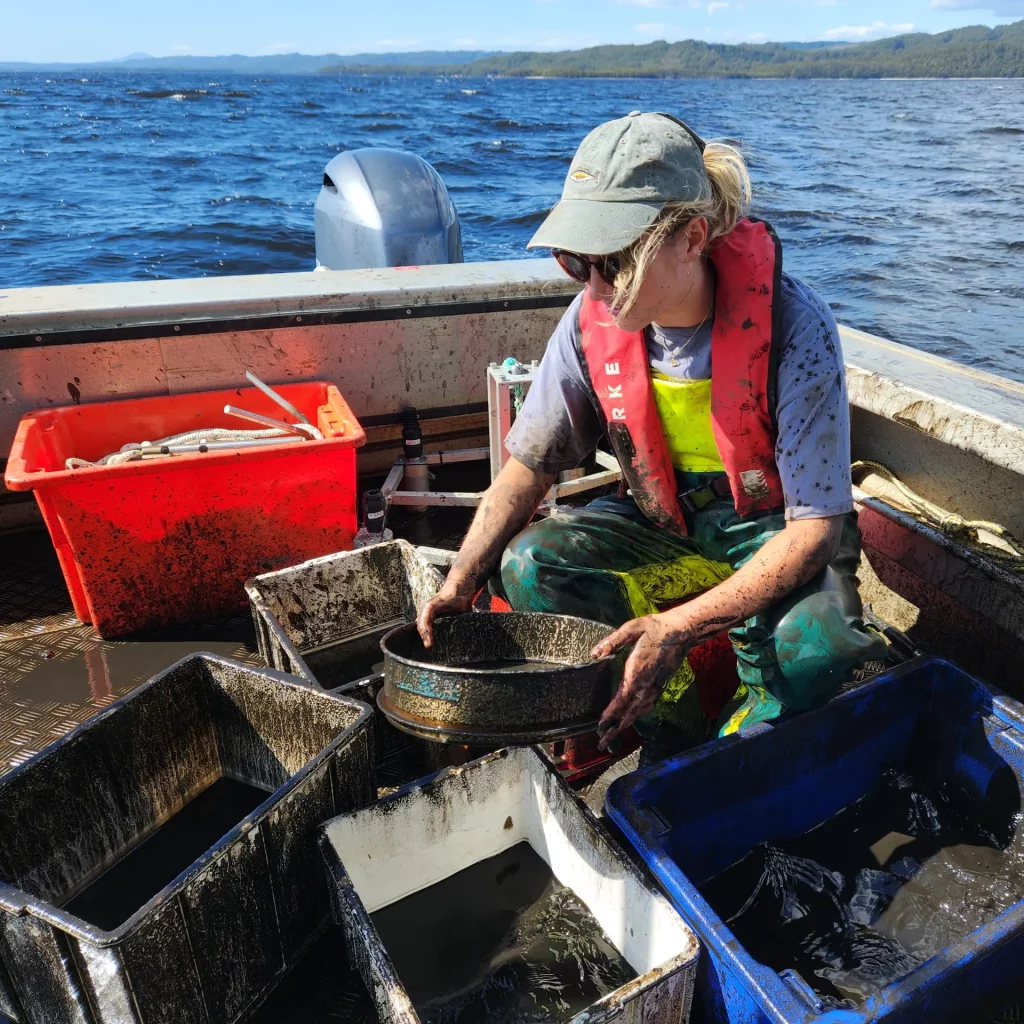
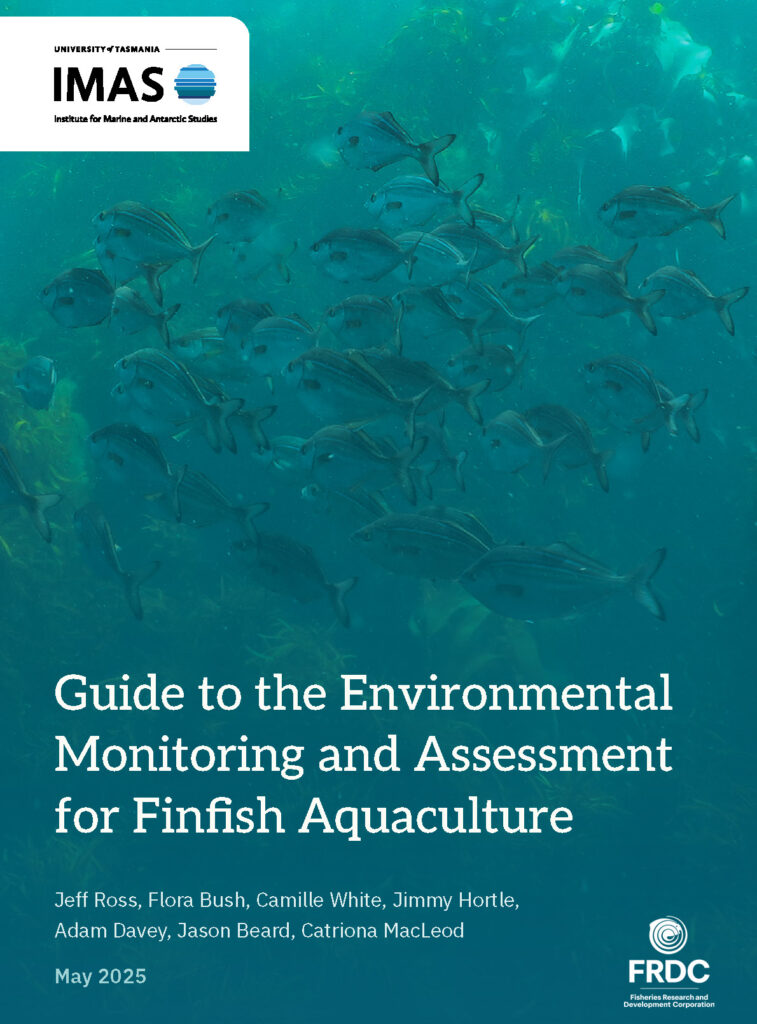
A new field guide released this week brings together established and emerging scientific techniques for assessing how finfish aquaculture interacts with marine environments, from soft sediments and seagrass beds to inshore rocky reefs and deep reefs.
The Guide to the Environmental Monitoring and Assessment for Finfish Aquaculture was developed by the University of Tasmania’s Institute for Marine and Antarctic Studies (IMAS), and brings together almost two decades of scientific research in Tasmania’s coastal waters.
“Since the release of the original field guide by Macleod and Forbes in 2004, both the location and scale of marine finfish aquaculture operations in Tasmania have changed significantly,” said IMAS researcher, Professor Jeff Ross.
“Our new guide covers a broader spectrum of environments – and it is designed to be a practical resource for a wide range of users, including aquaculture operators, regulators, environmental consultants and researchers.”
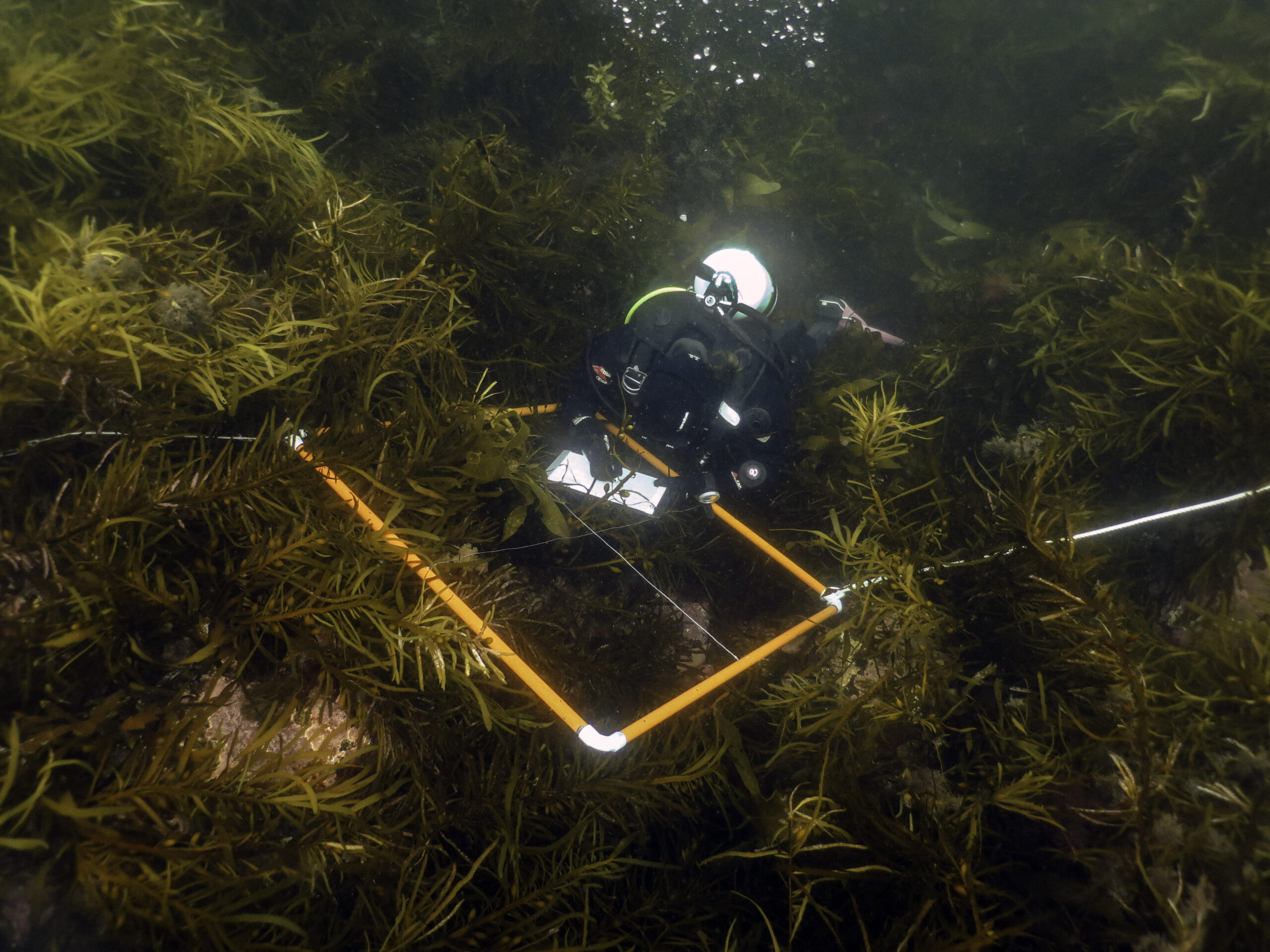
The guide outlines comprehensive methods for designing and implementing monitoring programs tailored to each key marine habitat:
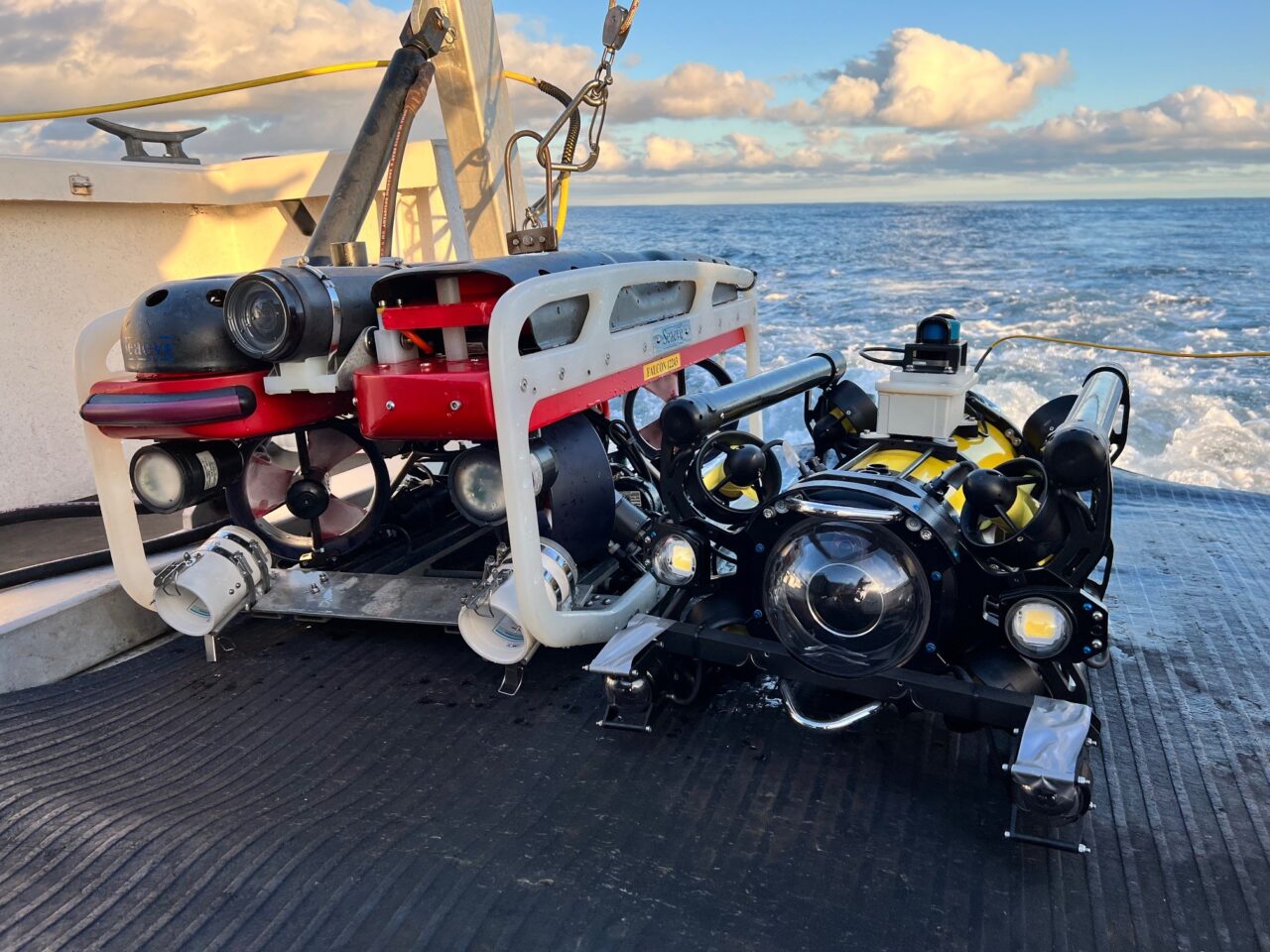
The guide also introduces newer tools such as remote video methods capable of tracking changes over larger spatial scales, and environmental DNA (eDNA) metabarcoding. Each method comes with guidance on how and when to use it, what data it provides, and its limitations.
“It also addresses the challenges of monitoring and evaluating impacts in different environments, emphasising the importance of locally relevant baseline information for assessing performance,” said Professor Ross.
“And while the focus is on finfish aquaculture, the methods and principles it covers apply to any activities that may affect organic loading in marine environments.
“It offers a solid framework for assessing baseline health, tracking change, and supporting recovery across a range of habitat types.”
The Field Guide is available to download here. It was developed under project 2015-024 managing ecosystem interactions across differing environments: building flexibility and risk assurance into environmental management strategies, which is supported by funding from the FRDC on behalf of the Australian Government.
Images from top: