A new literature review series brings together current scientific research on how marine farming interacts with marine environments – and it will help to inform the sustainable management of the aquaculture industry in Tasmania.
Developed by the University of Tasmania’s Institute for Marine and Antarctic Studies (IMAS) and launched this week, the Aquaculture Environment Review Series collates the published scientific literature on the environmental effects of aquaculture in Tasmania and globally.
“The aim of the series is to support sustainable planning and regulation of marine farming in Tasmania, while providing a reference source for anyone interested in how aquaculture interacts with the environment,” said Dr Camille White, a researcher with the Aquaculture Environment Interactions program at IMAS.
“The series offers an accessible, evidence-based resource that highlights what we know, where gaps remain, and how management can continue to evolve to support long-term environmental and economic sustainability.”
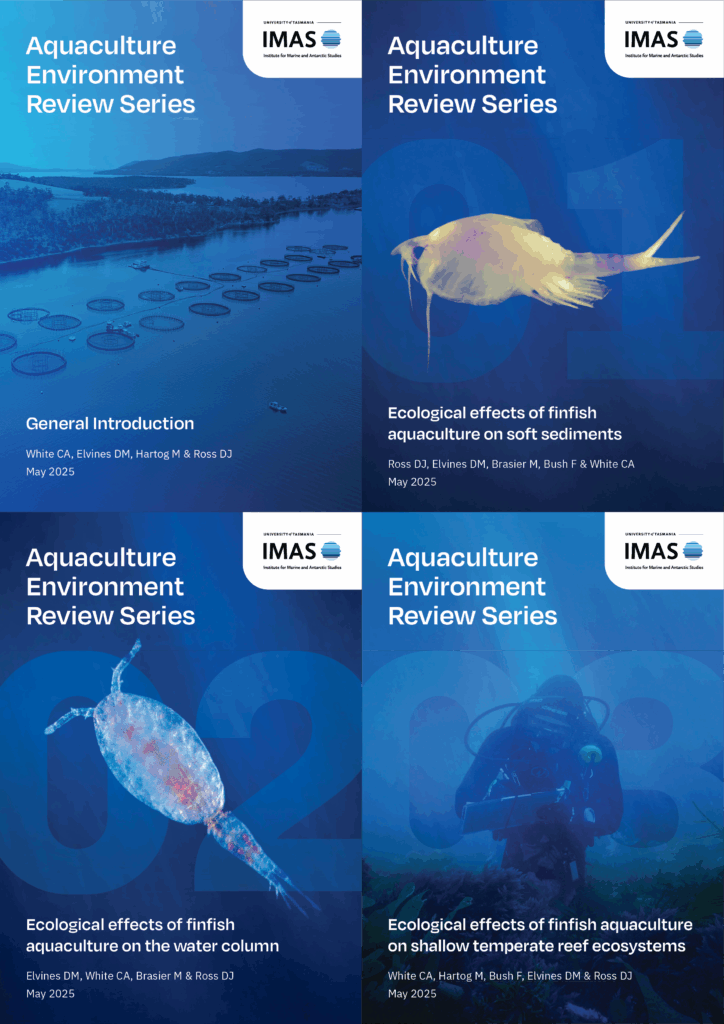
The first release of the series is presented in four parts:
The Aquaculture Environment Review Series will be regularly updated as new scientific information emerges. It will ultimately cover all forms of existing and proposed marine-based aquaculture in Tasmania.
“Aquaculture plays an important role in Tasmania’s economy, but its continued success relies on sound science and careful management,” said Dr White.
“Understanding how farming practices interact with surrounding ecosystems is vital to ensuring the industry remains sustainable into the future.”
The Aquaculture Environment Review Series was commissioned by the Department of Natural Resources and Environment Tasmania (NRE Tasmania) and funded through the Sustainable Marine Resource Collaboration Agreement (SMRCA).
Visit our Aquaculture Environment Review Series page to learn more, or our Publications page to read each part of the series in full.
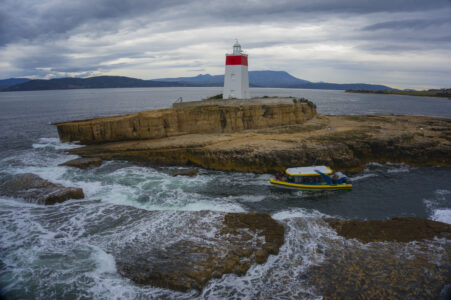
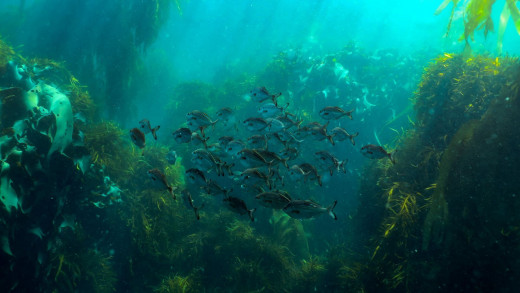
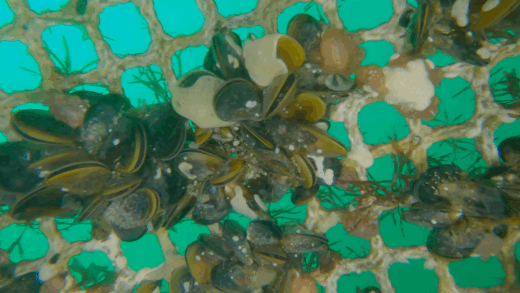
Images from top: